Quick summary
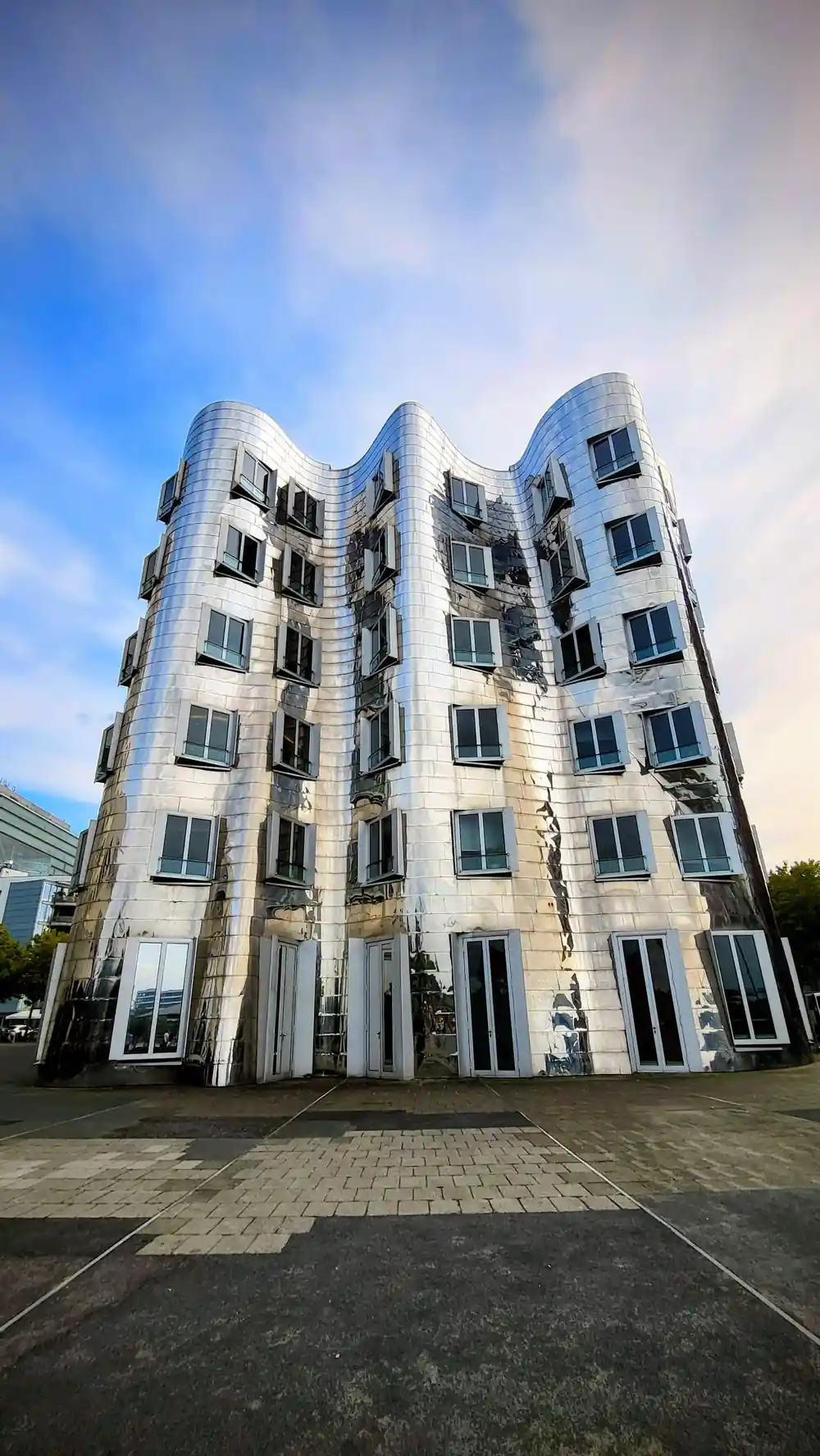
- Towers rise straight from the water here, with Frank Gehry's Neuer Zollhof, three buildings completed in 1999, standing across the basin.[1]
- The Rhine Tower stands 240.5 metres tall and was built between 1979 and 1982, and its light clock, the Lichtzeitpegel by Horst H. Baumann, is a photo in itself.[2][3]
- The Rhine embankment promenade runs one and a half kilometers along the water, a simple line to follow after dark when the lights come on across the basin.[4]
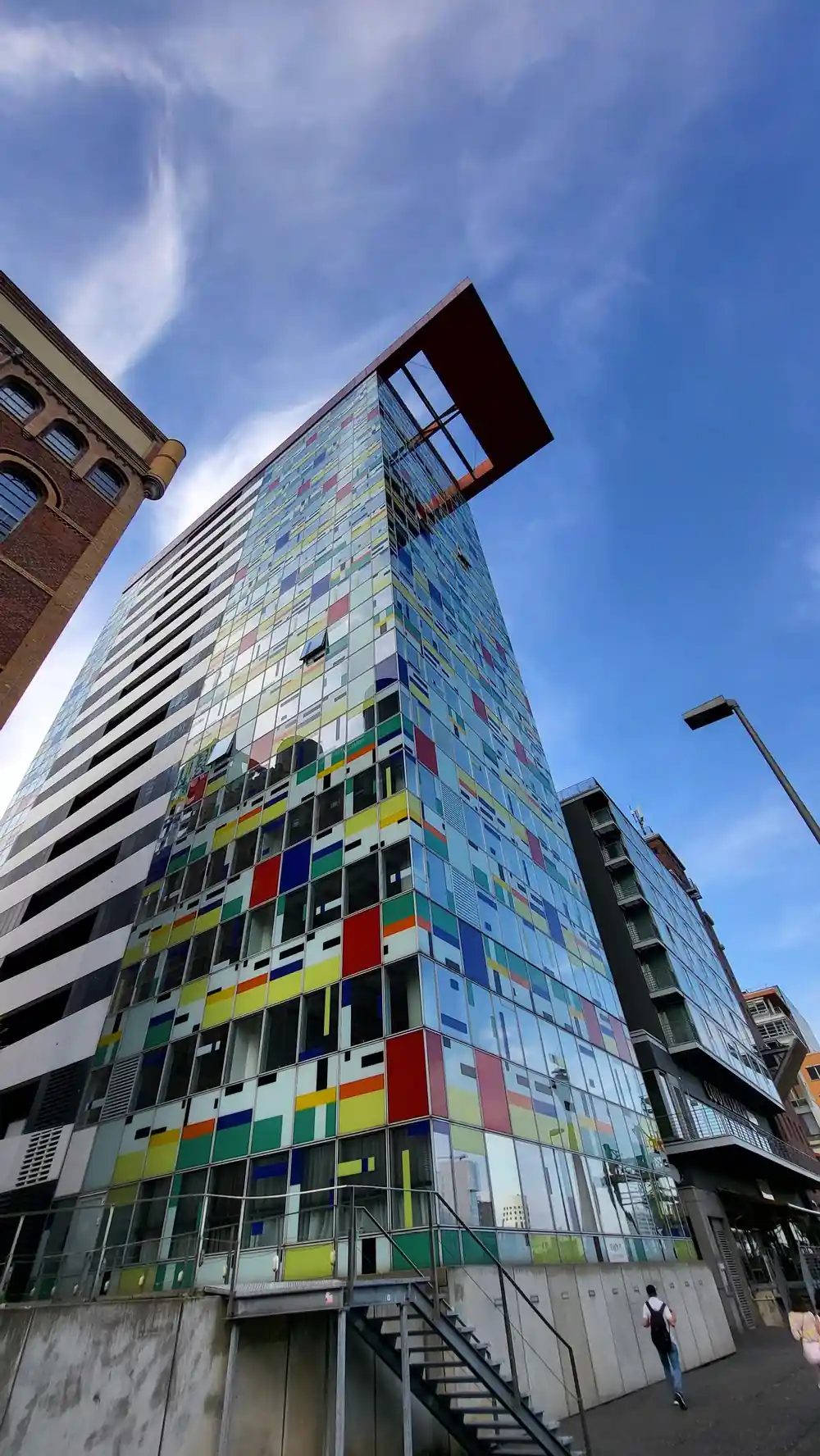
- Late light catches the coloured glass of the Colorium, a 17-storey building by the British architect Will Alsop, and the facade holds the sky.[5]
- The MedienHafen is home to more than 700 companies, and the district keeps a working life of its own alongside the photo stops.[6]
- Top choice MedienHafen Tour from US$218 Duration2 hours[7]Rating4.64 from 276 reviews[7]GuideGerman, English[7]CancellationCancel up to 24 hours ahead[7] Check availability
- Altstadt Guided Tour from US$218 Duration1.5 - 2 hours[8]Rating4.50 from 488 reviews[8]GuideGerman, English[8]CancellationCancel up to 24 hours ahead[8] See this tour
- City Architecture Walk from US$23 Duration2 hours[9]Rating4.74 from 65 reviews[9]GuideGerman[9]CancellationCancel up to 24 hours ahead[9] See this tour
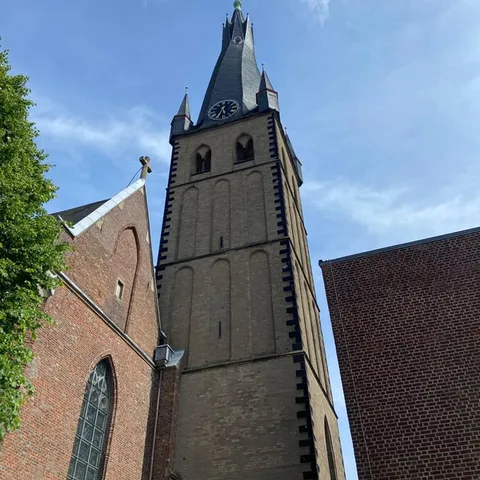
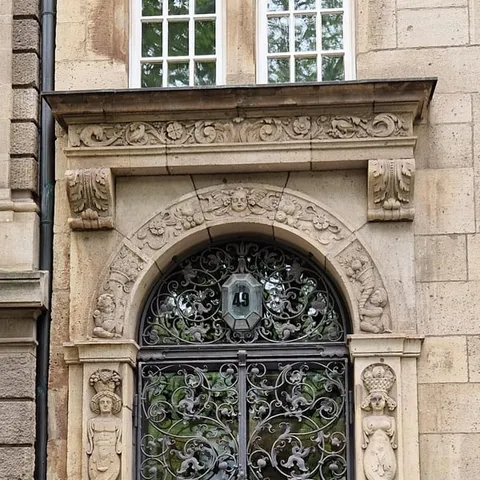
It soars 240,5 metres into the sky, and on a clear day the Cologne Cathedral can be seen from the M168 observation deck.
Worth it? The MedienHafen for photographers
Getting there and around
- Trams and the promenade put the harbour district within a short walk of the Old Town.
- Give the district an afternoon for the buildings and stay on for the blue hour by the water.
- Wear shoes you can stand in, the quays and basin paths are all covered on foot.
- The promenade is level and paved, so it suits a slow walk with a camera bag.
Kit, timing and booking
- Bring a polarising filter, it cuts glare on the glass facades and the water.
- Evenings by the water feel cool, so pack a light layer for the blue hour.
- Book the MedienHafen Tour if you want the buildings explained as you shoot.
- The MedienHafen Tour starts from US$218 on this site's listing.[7]
The Basin Edge: Where Towers Meet Water
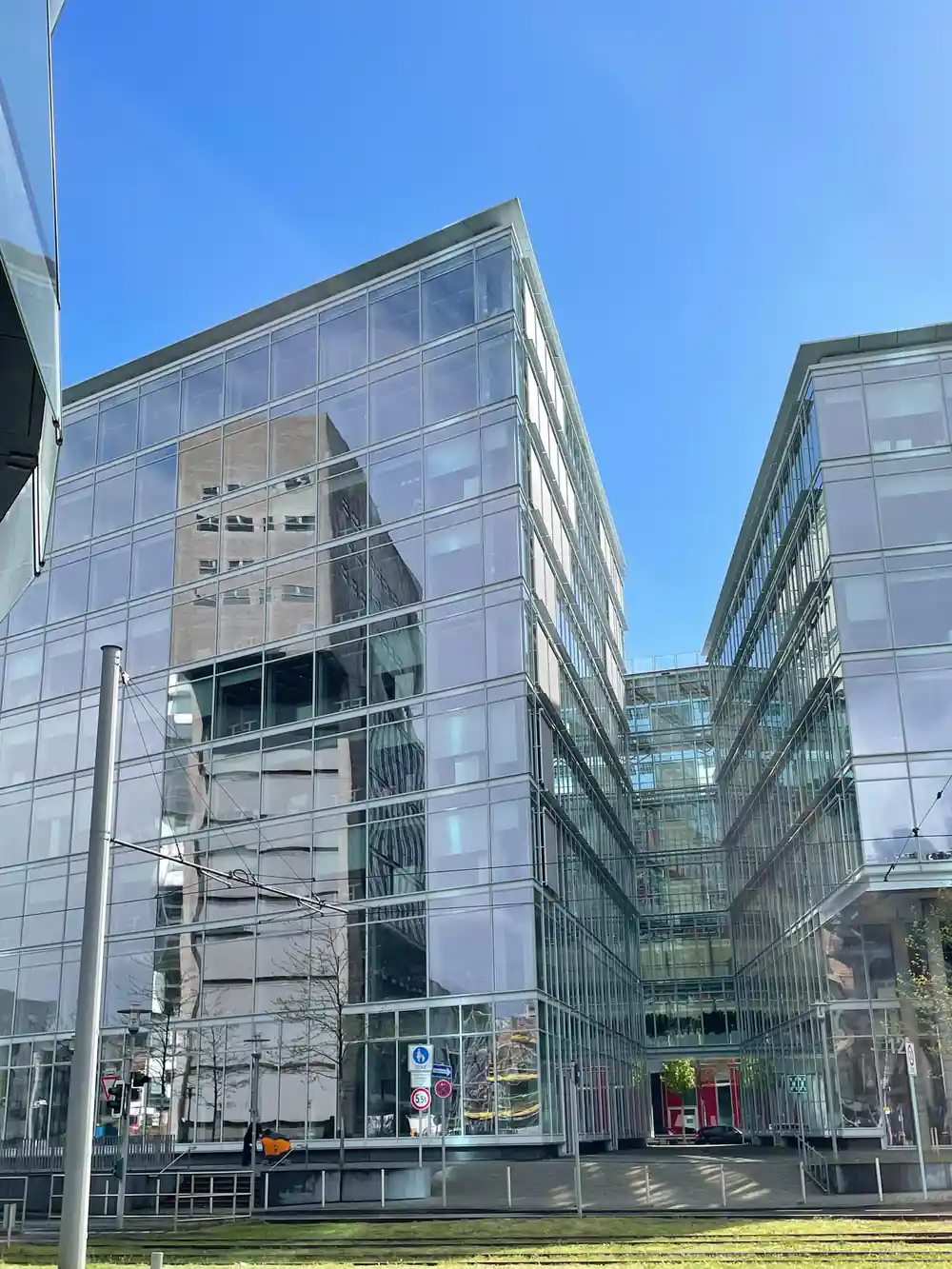
The basin at the heart of the MedienHafen is the natural place to start. Water sits directly under the towers, so a standard lens catches a facade and its reflection in a single frame, and a wider lens takes in a row of buildings at once. Work the rim rather than the middle distance and your lines stay clean, with the sky reading as a backdrop instead of a thin strip above the rooftops. Earlier in the day the surface is usually calmer, which helps when you want the reflection to do as much work as the building.
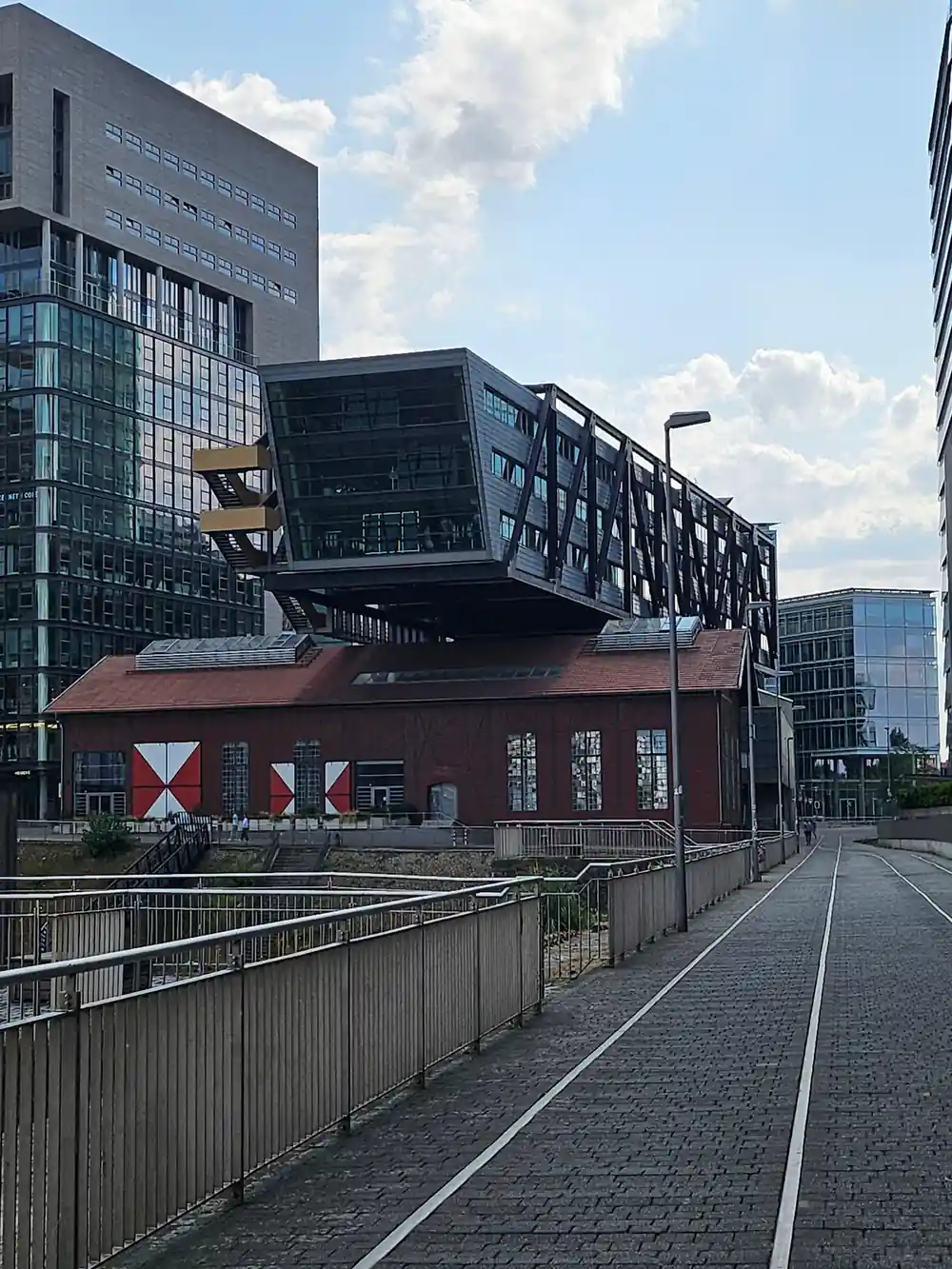
The district has a working history under all that glass. Düsseldorf's city planners and developers reimagined the vacant former working harbour as the MedienHafen media district during the 1980s and 1990s.[10] At the end of the 19th century the docks lay at the southern end of the Rheinuferpromenade and played a part in the city's boom until the end of WWII.[11] The MedienHafen is home to more than 700 companies,[6] and that mix of offices, apartments and quays is what gives a photograph its sense of scale. Look for the old harbour edges and the new building lines in the same frame.
Rheinkniebrücke: The Widest Skyline Perspective
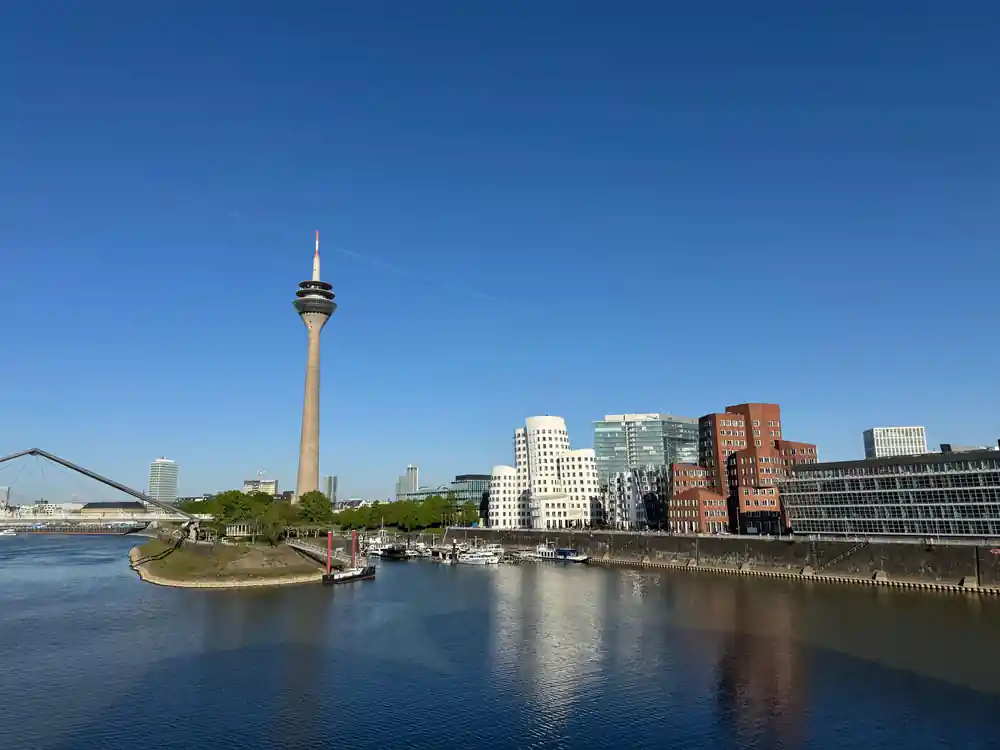
The bridge upstream of the harbour is the place to go when you want the whole district in one picture rather than a single building. From the walkway you look back at the towers, the masts and the curve of the river, with the Rhine Tower sitting at the end of the composition. The Rhine is 1320 km long,[12] and the stretch through Düsseldorf is broad and busy, so there is usually something moving in the frame: barges, tour boats and rowing crews.
Walking to the bridge is part of the pleasure. The Rhine embankment promenade is one and a half kilometers long,[4] and it links the Old Town, the harbour and the bridge in one line along the water. Take a normal lens for the sweep of the river and a longer one for the tower, and try a slow exposure if you want the water to go smooth around the piers. The light clock on the Rhine Tower, the Lichtzeitpegel, is an architectural installation by Horst H. Baumann that shows the time using a vertical series of lights,[3] and from the bridge you see it side on.
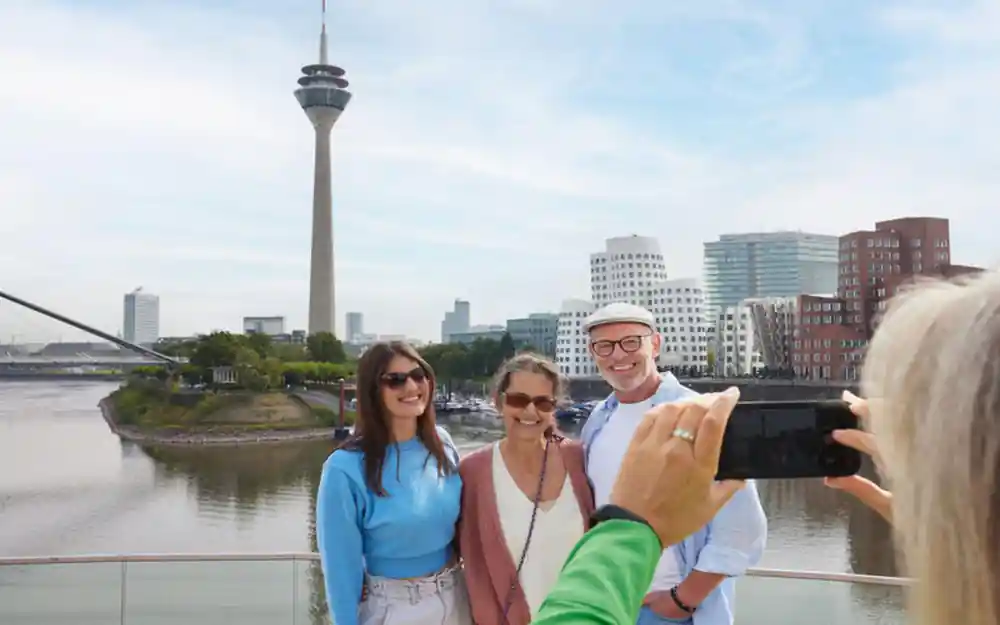
The basin edge, where the towers meet the water.
Rheinturm Platform: Panoramas Above the Harbour
For the high view, the Rhine Tower is the obvious stop. It stands 240.5 metres tall and was built between 1979 and 1982,[2] and from the platform the harbour, the Old Town and the river all fall into place below you. Entry tickets start from US$14 and are valid for 1 day,[13] so you can go up in daylight and come back later if the weather changes its mind.
Shoot through the glass with your lens hood pressed close to cut reflections, and keep a cloth handy for fingerprints. From up here the Neuer Zollhof reads as three separate blocks, a complex of three buildings designed by Frank Gehry and completed in 1999,[1] which is much harder to see from street level. The tower also ties the skyline together in any wide shot from the opposite bank, so a visit early in your trip helps you plan the rest of your photography.
Night Reflections on the Basin Water
After dark the harbour changes character. Office lights come on behind the glass, the water doubles every bright window, and the coloured facade of the Colorium, a 17-storey building by the British architect Will Alsop,[5] becomes one of the brightest things on the waterfront. Reflections are strongest when the wind drops and the surface goes still, so a calm evening is worth waiting for.
Bring a small tripod or find a railing to rest on. A modest exposure smooths the water and still holds the building edges sharp, and anything longer turns passing boats into streaks. The light clock on the Rhine Tower is the one subject that rewards a long frame, because a vertical series of lights reads as a column of colour against the sky.[3] If you are on the far bank, the whole basin fits into a single picture.
from US$218
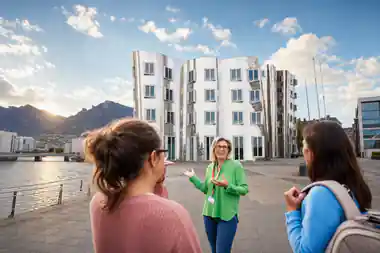
A 2 hour walk from US$218 with a live guide in German or English, plus free cancellation up to 24 hours in advance.[7]
The Quieter Quays: Shooting Away from the Crowds
The harbour is a working district as well as a sightseeing one. The MedienHafen is home to more than 700 companies,[6] and office hours bring a steady rhythm of people crossing the quays, while the mood lifts again in the evening when the terraces fill. The quietest frames usually come at the ends of the basin, away from the restaurant fronts and the busiest stretch of promenade.
The city draws visitors in serious numbers. Düsseldorf recorded 3,068,803 guest arrivals in 2018,[14] and the harbour is one of the places they head for. Rather than holding a place at the central viewpoint, walk the length of the basin and use the far side: the towers line up differently, the water gives you a foreground, and you are looking at the district rather than standing in the middle of it.
The Flossis: Figures on the Gehry Facades at Golden Hour
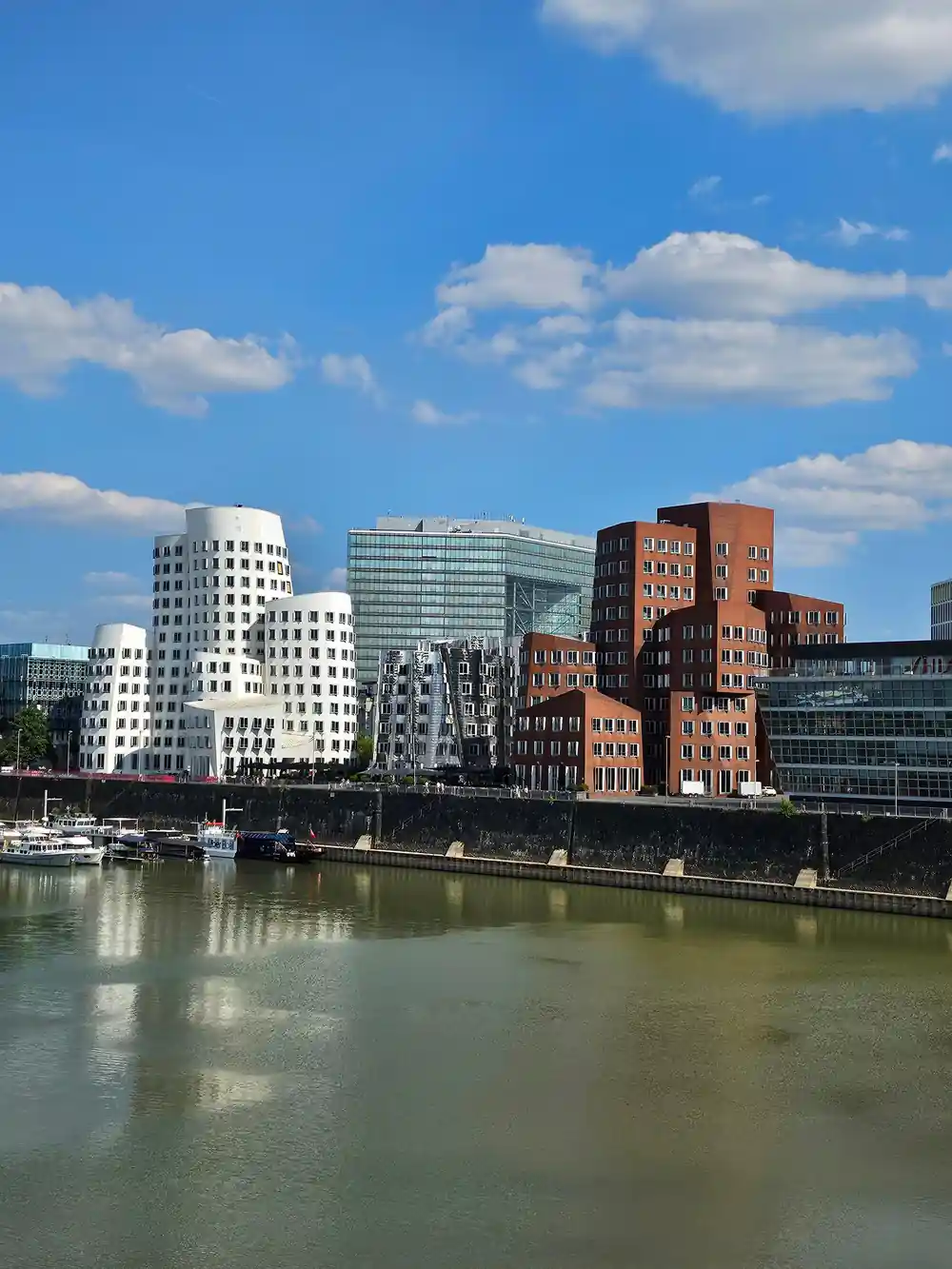
The Neuer Zollhof is the centrepiece of the district, and it repays a proper look. It is a complex of three buildings designed by Frank Gehry that was completed in 1999,[1] and the three facades could hardly be more different: white plaster, red brick and shiny stainless steel, each leaning and curving in its own direction. The small sculpted figures that cling to the walls and balconies turn a straight architectural shot into something with a joke in it.
Late afternoon is the time to be here. Low sun rakes across the metal panels, the brick warms up, and the water behind goes dark. Stand back across the basin for all three buildings, then move in close for the figures and the window lines. A guided walk helps you find the angles you would otherwise miss, and the MedienHafen Tour runs for 2 hours with a live guide in German or English.[7]
Planning Your Photography Visit
Plan the harbour as an afternoon and an evening rather than a quick stop. Start on the promenade and the basin edge while the light is still hard, work towards the bridge for the wide view, and finish on the water side once the lights come on. Everything sits within walking distance, so you can carry a full kit without needing transport between stops.
If you would rather have the architecture explained as you shoot, the MedienHafen Tour is the local option: 2 hours from US$218 with a live guide in German or English, a private group available, and free cancellation up to 24 hours in advance.[7] The same listing shows starting times when you check availability. For a different angle on the same water, the city sightseeing cruise on the Rhine lasts 1 hour and starts from US$23.[15]
What guided tours in Düsseldorf cost
US dollar from-prices as listed for each of these tours.[7][8][9][16][17]
Plan the cost of a guided day by the water
US dollar from-prices on these listings.[7][8][9][16][17]
When to shoot the harbour through the day
How to plan the shoot
Walk the basin first
Start on the rim of the basin to learn the buildings and where the reflections fall.
Follow the promenade
Walk the embankment for the wide view back at the towers and the river traffic.
Go up the tower
Take the lift for the plan view, then come down knowing which angles you want.
Return for the light
Come back for late sun and blue hour, when glass and water do the most work.
Add a live guide
A guided walk adds the architecture and the harbour history while you photograph.
See the MedienHafen with a live guide
from US$219Reserve now & pay later